The project aims to catalyse the conservation of the last remaining lowland rainforests in the greater Ntangki National Park landscape through scientific research, collaborative conservation, and community-led stewardship across 26 fringe villages in Peren district, Nagaland. The initiative seeks to build a shared understanding and sense of ownership among local communities, the Forest Department, and other stakeholders, ensuring that conservation is viewed not as a trade-off to development, but as a shared opportunity that strengthens livelihoods, cultural identity, and long-term ecological security.
The programme focuses on generating baseline ecological, socio-economic, and governance data through biodiversity surveys, participatory ecological mapping, and village-level assessments to better understand biodiversity values, forest-use patterns, and threats across the landscape. Through continuous engagement with Village Councils, women’s groups, self-help groups, youth partners, and frontline Forest Department staff, the initiative promotes dialogue, technical capacity building, awareness campaigns, workshops, cultural events, and collaborative conservation action.
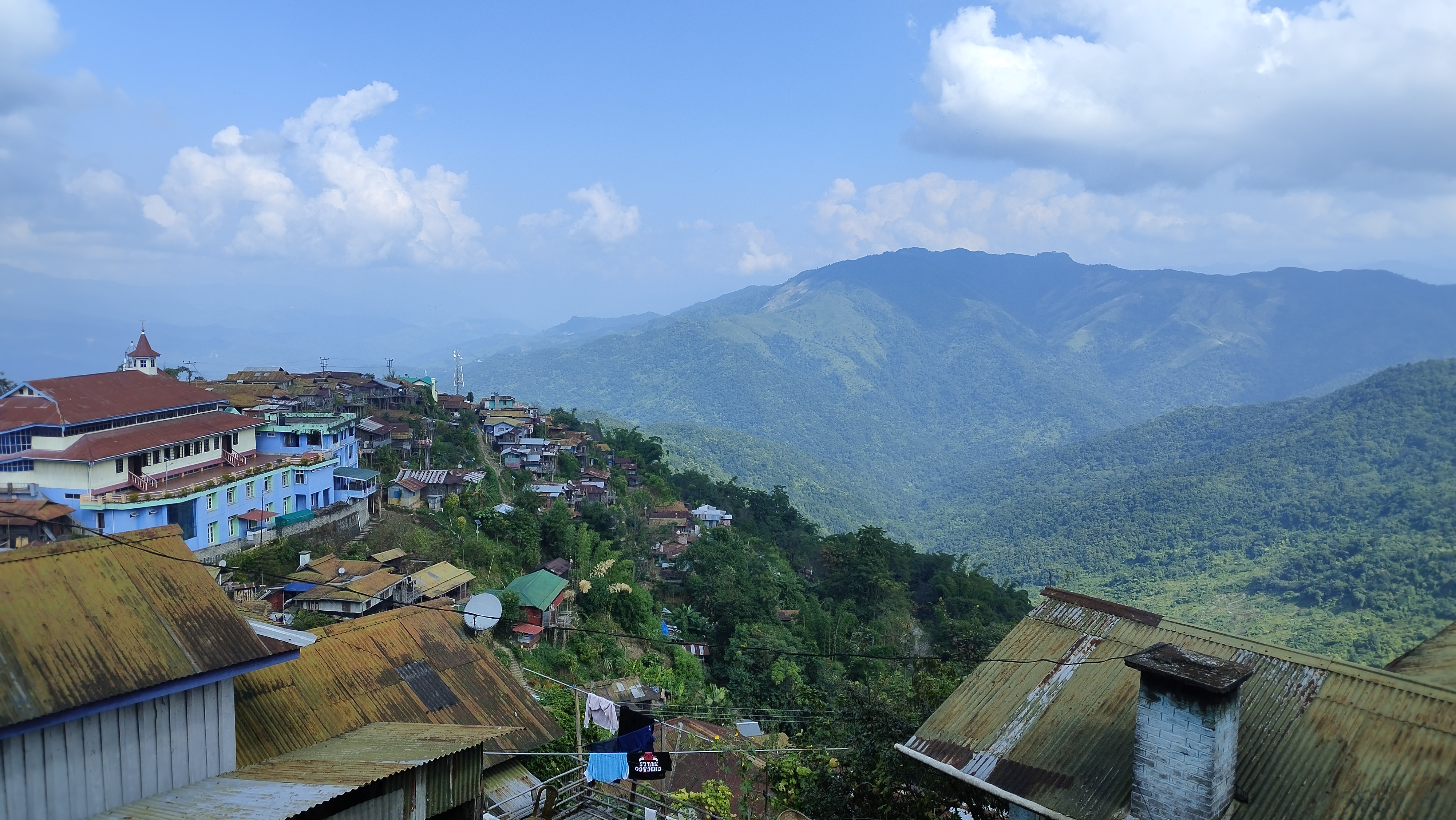
By integrating traditional ecological knowledge with scientific approaches, the project aims to foster an inclusive and empathy-driven model of conservation while strengthening collaboration between communities and the Forest Department. Building on this partnership and locally relevant baseline information, the initiative will support local youth, village institutions, and government stakeholders in co-developing a long-term conservation action plan for the greater Ntangki landscape, contributing towards the protection of threatened biodiversity such as hoolock gibbons, clouded leopards, Malayan sun bears, and hornbills, while ensuring that communities remain central to the future of conservation in Nagaland’s lowland rainforests.